

Beautiful Japandi Living Room Designs for a Serene Space
Imagine walking into a room that instantly makes you feel calm. The space is bright, simple, and filled with natural textures that breathe peace into your day. That’s the beauty of Japandi living room designs — a perfect mix of Japanese minimalism and Scandinavian coziness. This design style focuses on balance, comfort, and the beauty of simplicity. It’s about creating a peaceful home where every piece has a purpose and nothing feels too much.
What Is Japandi Style?
Japandi is a blend of two beautiful worlds — the clean, minimal look of Japanese interiors and the warm, functional feel of Scandinavian design. It brings together Natural materials, simple lines, and cozy textures to create a space that feels both elegant and welcoming. The result is a room that’s calming, clutter-free, and full of quiet beauty.
The Core Elements of Japandi Living Rooms
To achieve the perfect Japandi look, focus on these key elements: simplicity, balance, and nature. Every item should serve a purpose while adding to the peaceful mood. Avoid too many decorations or bright colors. Instead, choose quality over quantity and focus on pieces that make your space feel calm and connected to nature.
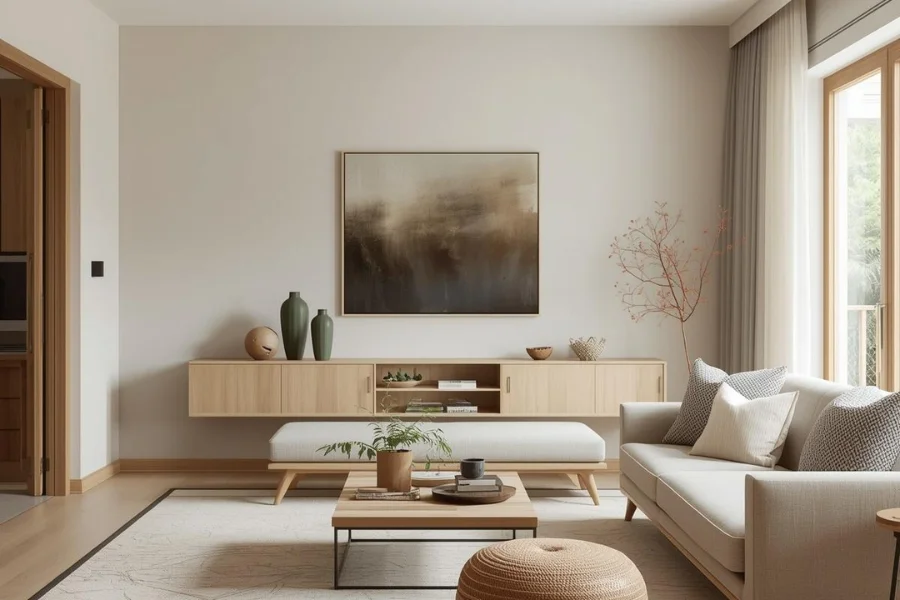
Soft, Neutral Color Palettes
Japandi rooms are known for their gentle, nature-inspired colors. Use Shades like white, beige, soft gray, and light wood tones. These colors make your space feel open and airy. You can also add muted greens, browns, or charcoal accents for depth. The goal is harmony — nothing too loud or harsh.
Natural Materials for Warmth
Wood, bamboo, linen, and stone are key materials in Japandi interiors. Natural textures add warmth and make the space feel organic. Choose wooden coffee tables, woven baskets, or linen curtains to bring in that calm, grounded energy. Light oak and walnut are both great wood options for this look.
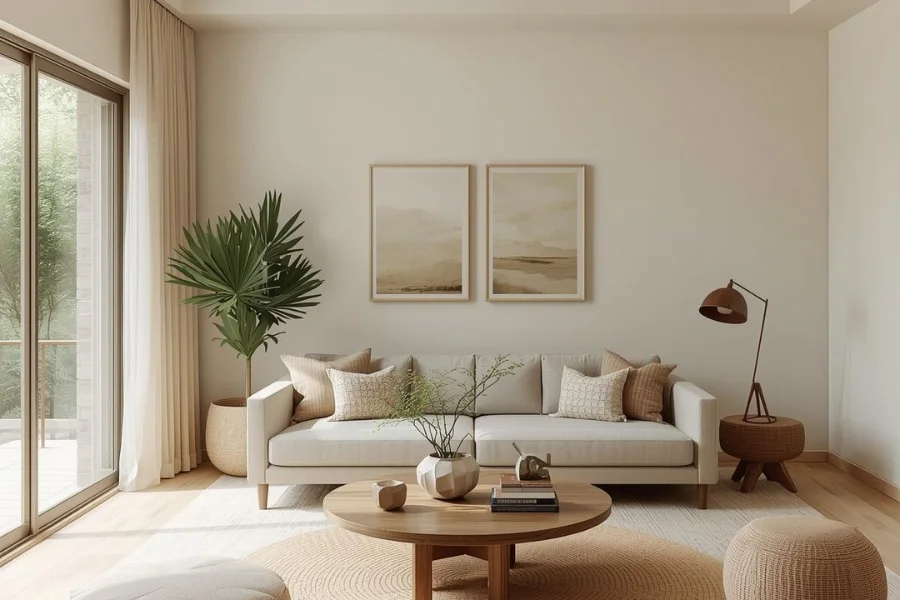
Minimal Yet Cozy Furniture
Japandi furniture should be simple and functional, with clean lines and low profiles. Think low wooden sofas, smooth tables, and soft cushions. Avoid bulky pieces and focus on comfort with purpose. A few cozy throw pillows or a soft rug can make the space feel welcoming without overwhelming it.
Embrace Negative Space
In Japandi design, empty space is just as important as furniture. Don’t feel the need to fill every corner. Leave breathing room between objects to create a feeling of openness and calm. This space allows the mind to relax and appreciate the beauty of what’s already there.
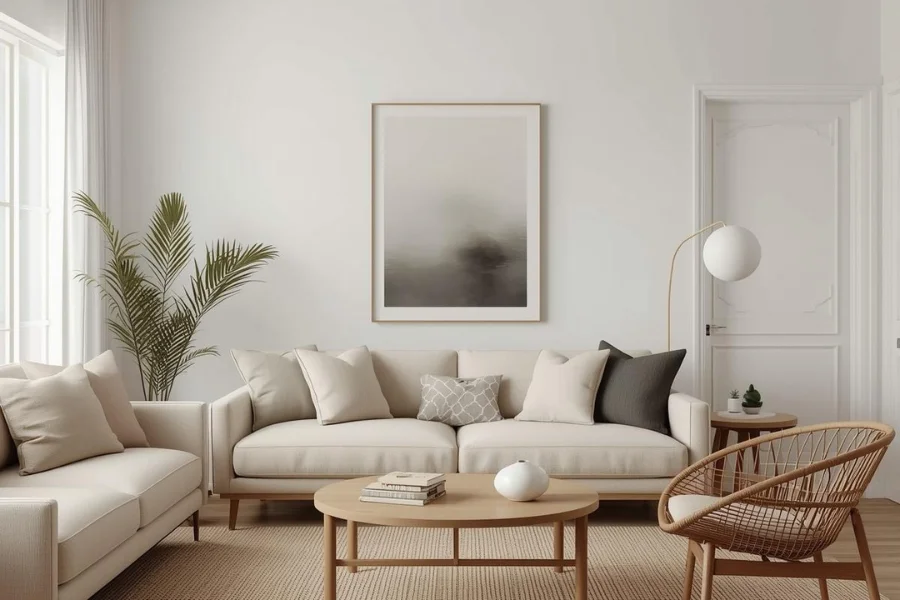
Layer Textures for Depth
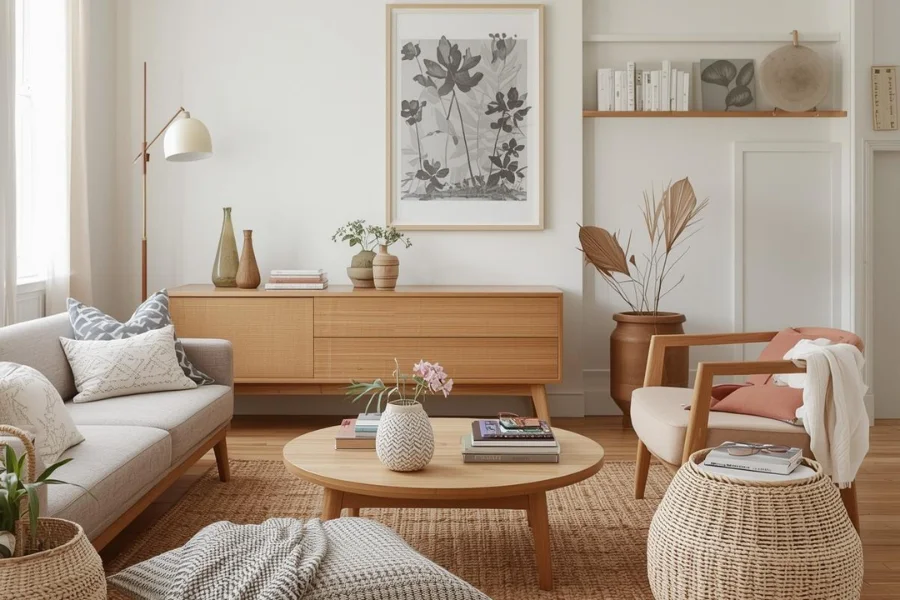
While Japandi spaces look minimal, they never feel flat. You can create depth by layering soft fabrics, wood grains, and natural fibers. A linen sofa with a cotton throw, a jute rug, and a bamboo chair instantly make the room feel balanced and cozy.
Add Greenery for Life
Plants are a simple way to add life and freshness. Choose indoor plants with graceful shapes, like bonsai, snake plants, or ferns. Even a single vase with branches or dried flowers can bring a touch of nature indoors. Keep it simple — a few well-placed plants are better than many small ones.
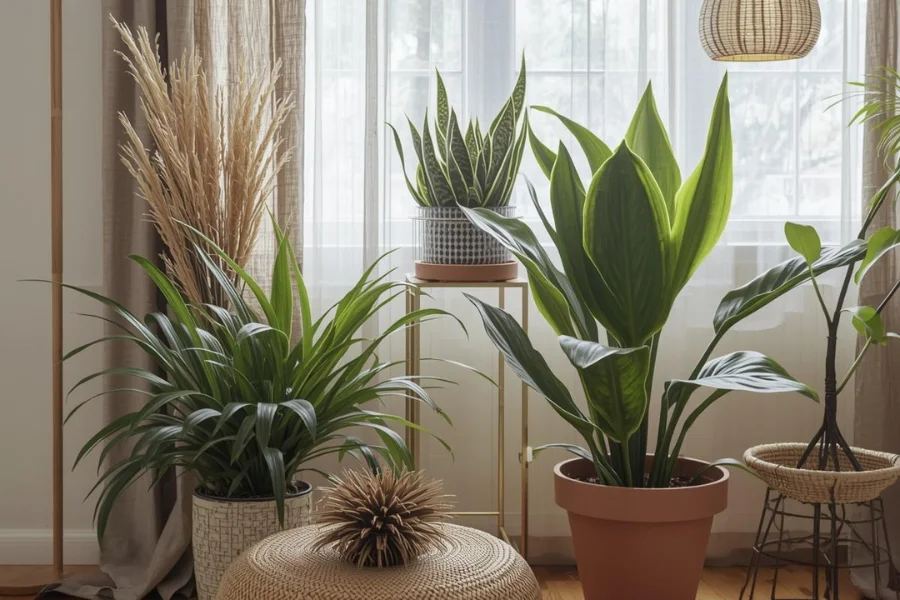
Keep Lighting Soft and Natural
Lighting plays a big role in creating a serene space. Let in as much natural light as possible with sheer curtains or open windows. Use soft, warm lighting in the evening — paper lanterns, pendant lights, or candles fit perfectly with Japandi’s peaceful vibe. Avoid harsh white light, and go for warm tones that create a cozy glow.
Simple Wall Decor
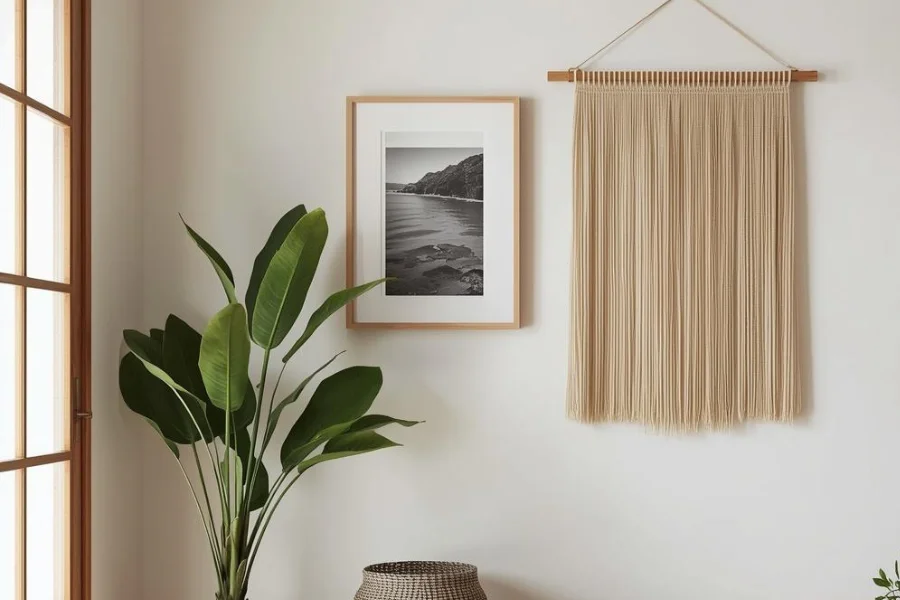
In Japandi interiors, walls are often left simple. You can add one or two pieces of minimalist art, a framed black-and-white photo, or a textured wall hanging. Choose pieces that reflect calm and nature — nothing too busy or colorful. The focus should always remain on peace and simplicity.
Balance Function and Beauty
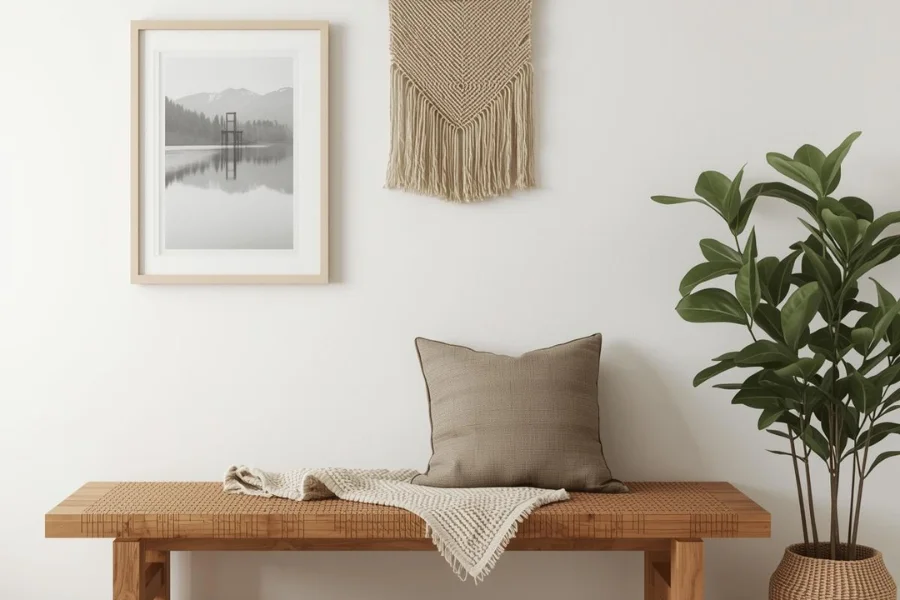
One of the best things about Japandi design is its focus on practicality. Furniture should look beautiful but also be useful. A storage bench, woven baskets, or hidden shelves keep things tidy while maintaining the serene atmosphere. Everything in the room should have a purpose.
Focus on Sustainable Choices
Japandi design celebrates mindfulness — not just in how things look, but also in how they’re made. Choose sustainable, eco-friendly materials when possible. Reclaimed wood furniture, organic fabrics, and handmade pottery bring authenticity and warmth to your space.
Add a Touch of Wabi-Sabi
The Japanese concept of wabi-sabi means finding beauty in imperfection. A slightly uneven ceramic vase or a natural wood table with visible grains adds soul to your home. These imperfect details remind us that simplicity and authenticity are more beautiful than perfection.
Create a Calm Seating Area
Arrange your furniture to encourage relaxation and conversation. A low sofa, a simple coffee table, and a few floor cushions make a perfect setup. Keep the layout open so the room feels spacious and peaceful.
Use Sliding or Open Furniture Designs
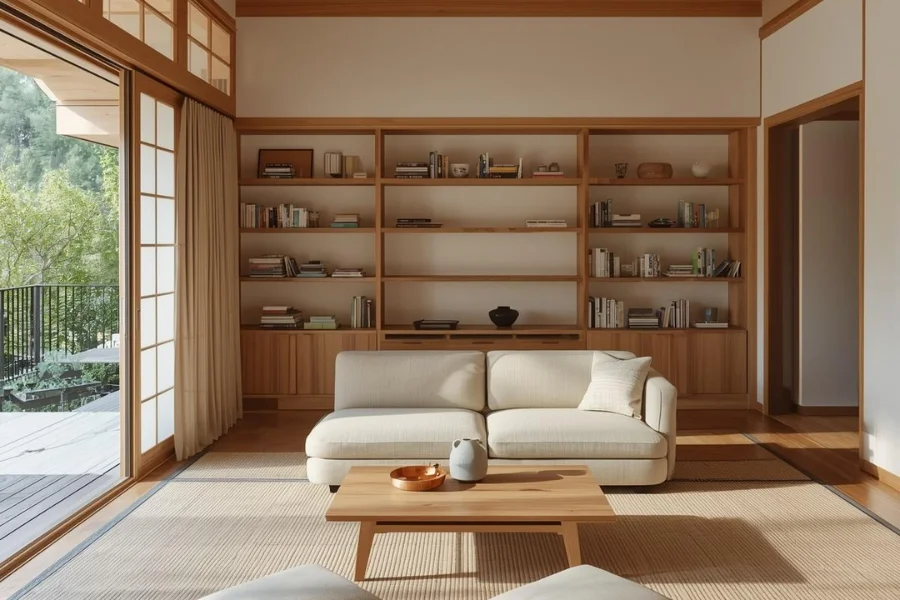
Sliding doors, open shelving, or simple dividers keep the room airy and light. This feature comes from Japanese homes, where flow and simplicity are key. It also allows natural light to move through the space, creating a balanced and soothing look.
Bring in Scandinavian Warmth
While Japanese design is known for simplicity, the Scandinavian side of Japandi adds comfort. Use cozy rugs, soft textiles, and warm lighting to make your space inviting. It’s the balance of clean and cozy that makes Japandi so special.
Keep Clutter Out of Sight
Japandi living room designs rely on order and calmness. Too much clutter can ruin the peaceful vibe. Use smart storage solutions to keep your space organized — woven baskets, hidden drawers, or minimal shelves work great. A tidy space equals a calm mind.
Creating the Perfect Serene Space
A Japandi living room isn’t just about how it looks — it’s about how it feels. It should invite you to slow down, breathe, and enjoy quiet moments. The mix of Japanese mindfulness and Scandinavian warmth creates a space that feels natural, balanced, and full of peace.
Conclusion
Designing a Japandi-inspired living room means embracing simplicity, balance, and comfort. With natural materials, soft colors, and a focus on function, you can create a home that feels calm and connected to nature. Every piece should bring harmony and joy — because in Japandi living room designs, beauty lives in the details and the space between them.
FAQs
1. What colors are used in Japandi design?
Japandi rooms use soft, neutral tones like white, beige, gray, and light wood. These colors create calm and warmth.
2. What materials define Japandi style?
Natural materials like wood, linen, bamboo, and stone are essential. They bring texture and a peaceful, earthy feel.
3. How can I make my living room feel more Japandi?
Keep it clutter-free, use neutral colors, and add simple furniture with clean lines. Include natural textures and greenery.
4. Is Japandi expensive to create?
Not necessarily! The style focuses on minimalism and quality. You can start small with neutral tones, simple furniture, and a few natural elements.
5. Can I mix Japandi with other styles?
Yes, but keep it balanced. Japandi blends beautifully with Scandinavian, minimalist, or boho styles as long as it stays calm and uncluttered.