Serene Japandi Kitchen Designs for a Stylish Home
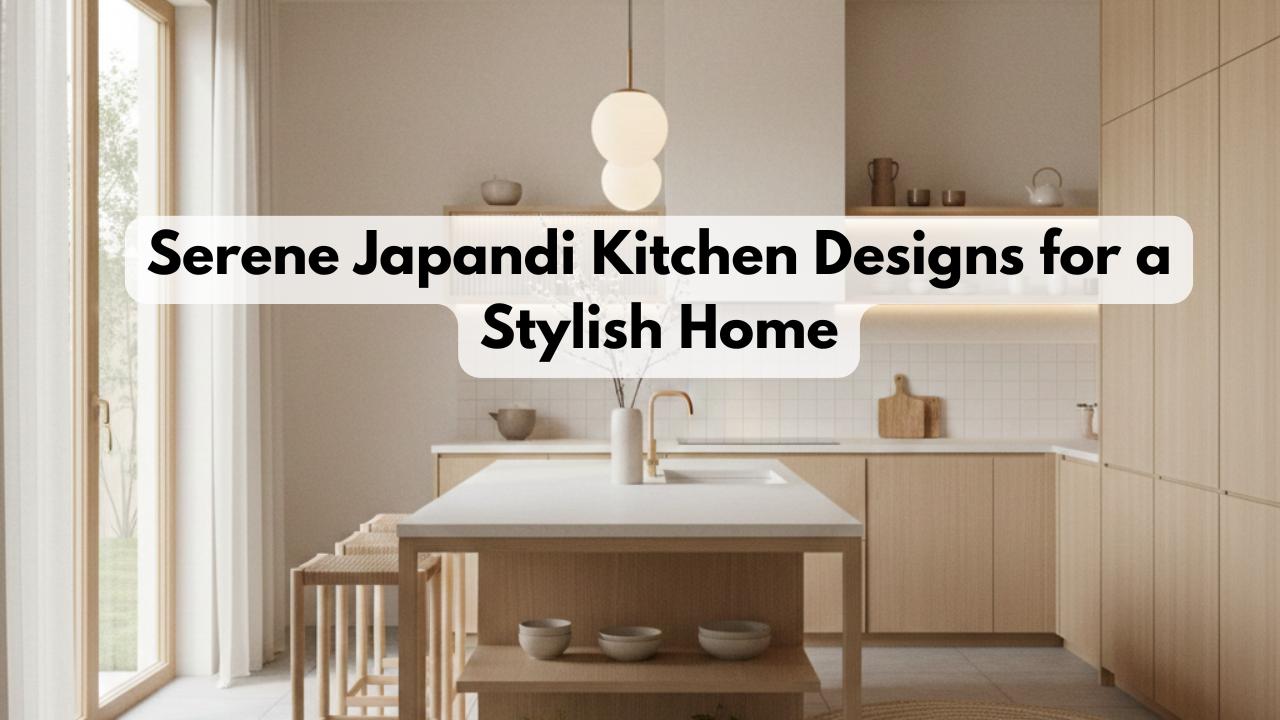
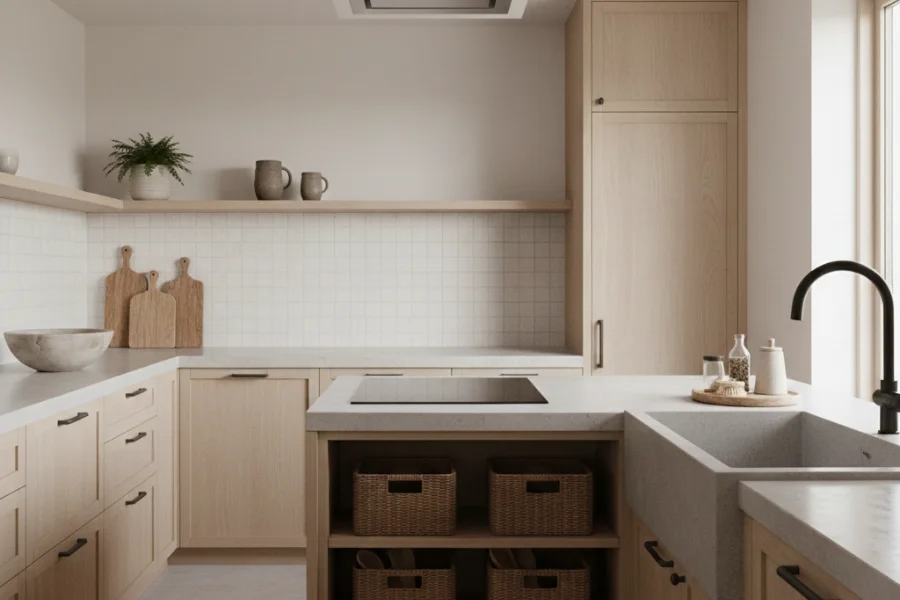
Picture a kitchen that feels calm, organized, and stylish all at once. That’s the magic of Japandi design. If you’re looking for ways to bring peace, warmth, and elegance into your cooking space, serene Japandi kitchen designs for a stylish home can be your inspiration. This style blends the simplicity of Japanese minimalism with the warmth of Scandinavian design, creating a kitchen that feels inviting, functional, and beautiful.
Why Choose a Japandi Kitchen?
A Perfect Balance of Style and Function
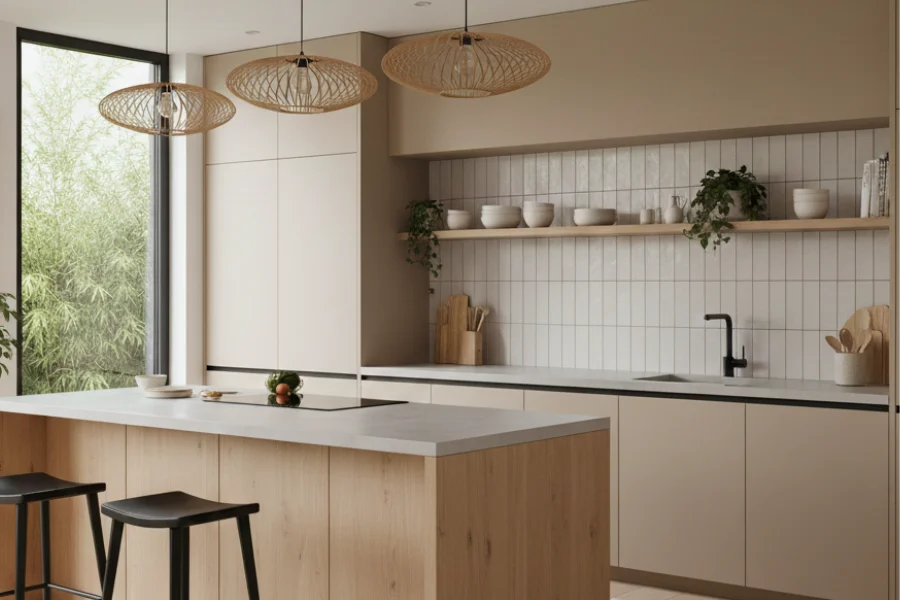
Japandi kitchens Combine Clean lines with cozy textures. You get a space that looks sleek but also feels comfortable to spend time in. It’s ideal for families or anyone who loves a calm, stylish environment.
Minimal Clutter, Maximum Calm
This design encourages decluttering and using only what’s necessary. The result is a kitchen that feels open, serene, and easy to work in.
Warmth Meets Simplicity
Natural wood tones, soft lighting, and muted colors create warmth without overpowering the space. Japandi kitchens are simple, yet every element feels intentional.
Color Palettes That Set the Mood
Neutral and Muted Tones
Soft whites, beige, and Warm Gray make the kitchen feel calm. These colors work well for walls, cabinets, and countertops.
Earthy Accents
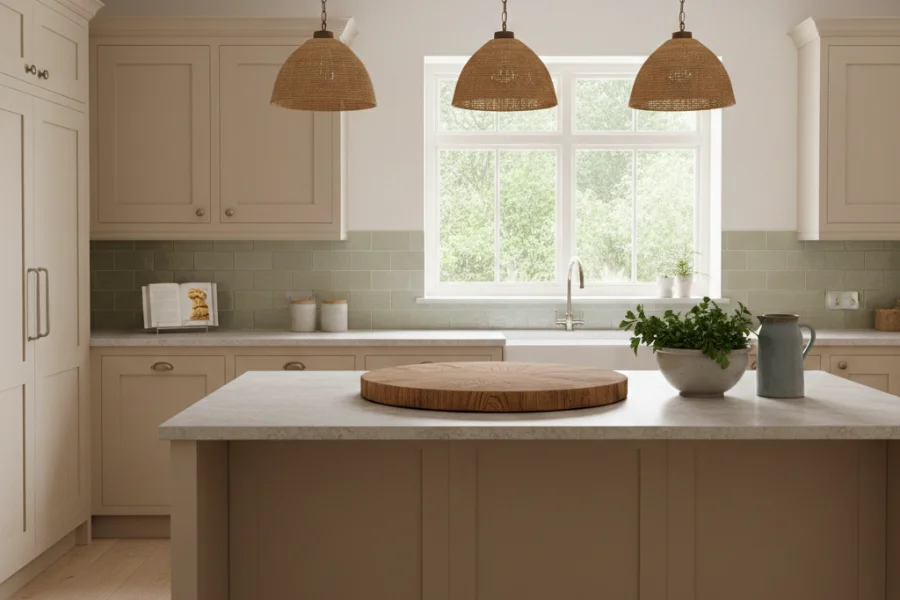
Use natural wood, soft greens, or muted blues for contrast. These shades bring in warmth and make the space feel more connected to nature.
Cabinetry and Storage Solutions
Flat-Front Cabinets
Simple, handleless cabinets create a clean and minimalist look. Choose natural wood or matte finishes for a subtle yet stylish effect.
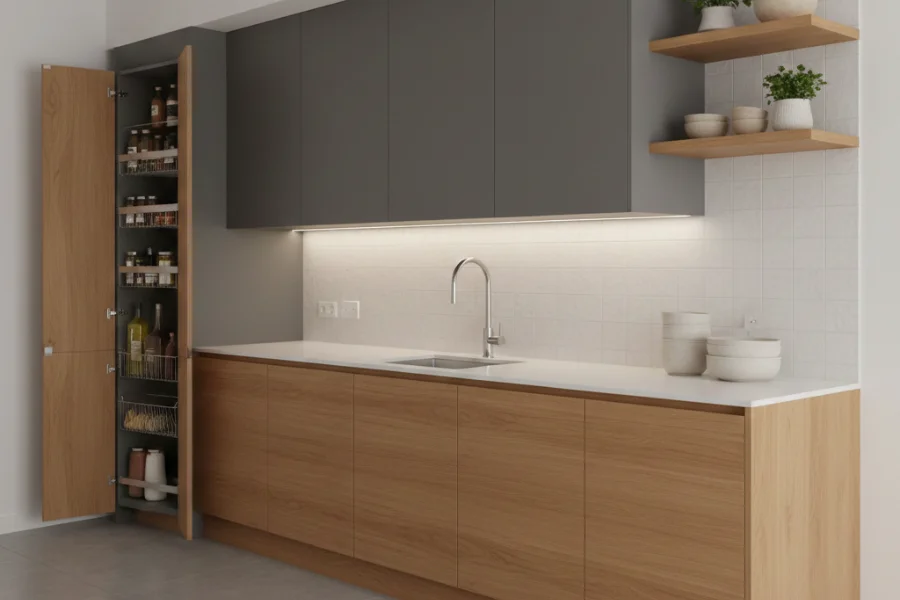
Smart Storage
Hidden storage, pull-out drawers, and open shelving for display items keep the kitchen organized and visually calm. A clutter-free countertop adds to the serene feel.
Countertops and Surfaces
Natural Materials
Wood, stone, and matte finishes are ideal. Bamboo or light oak counters add warmth, while stone surfaces provide durability and elegance.
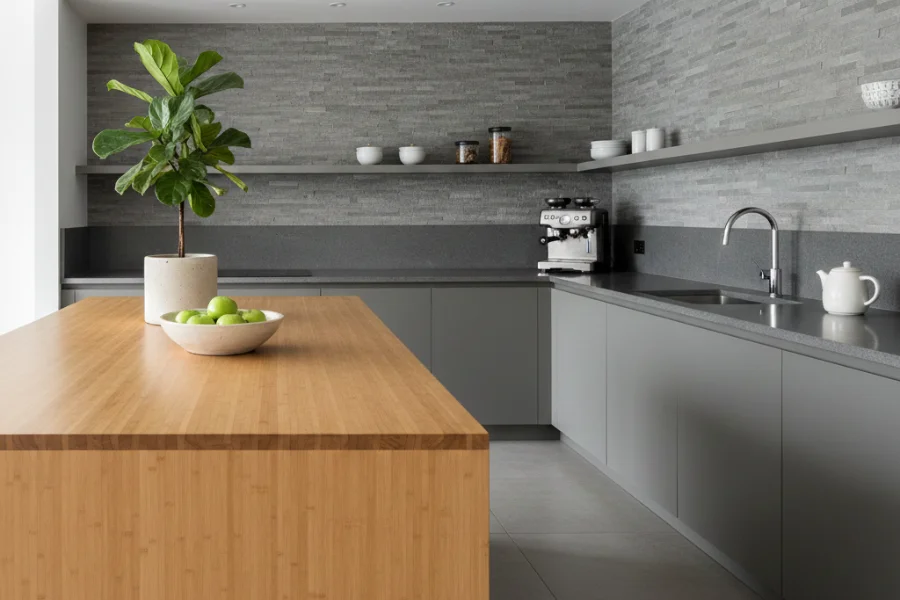
Keep It Minimal
Limit decorations on countertops. A few carefully chosen items, like a ceramic bowl or small plant, enhance style without cluttering.
Lighting That Enhances Tranquility
Soft, Layered Lighting
Combine pendant lights, under-cabinet lighting, and natural daylight for a soothing effect. Avoid harsh overhead lights.
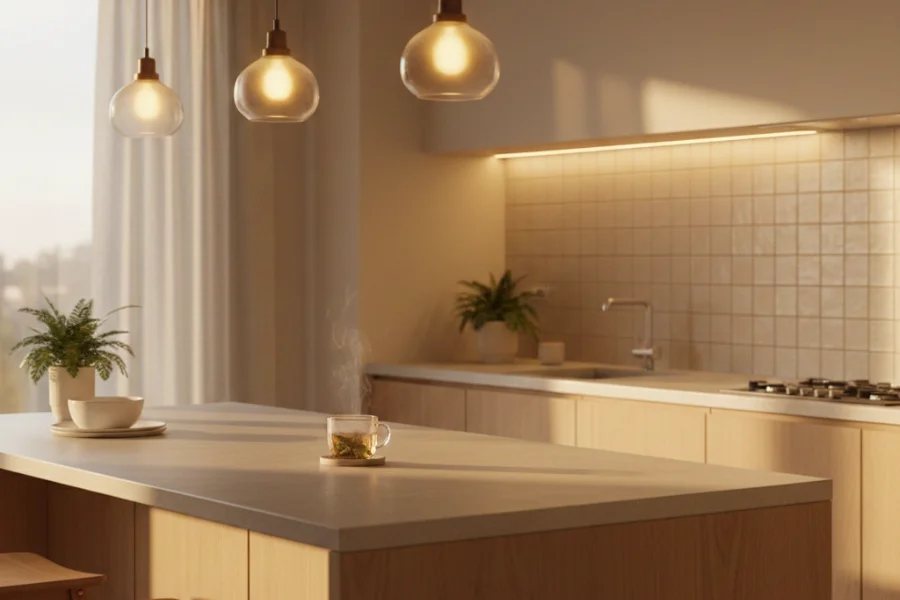
Warm Bulbs
Use bulbs with warm tones to create a cozy and inviting atmosphere, complementing natural wood and neutral shades.
Furniture Choices
Simple and Functional Seating
Choose chairs or stools with clean lines, natural materials, and soft cushions. Keep furniture minimal yet comfortable.
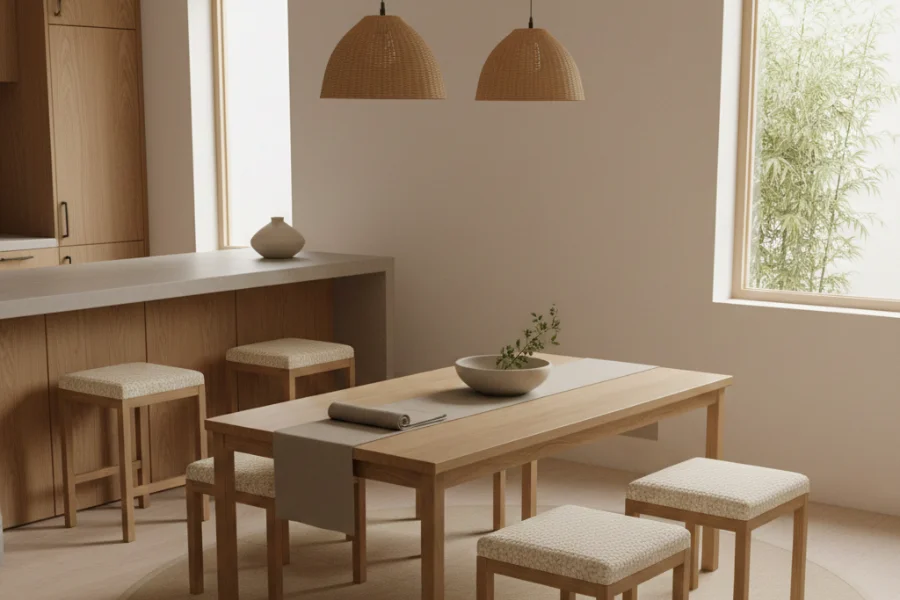
Dining Space Integration
If your kitchen has a dining area, maintain the same Japandi aesthetic with natural wood tables and neutral textiles.
Textures That Add Depth
Wood and Bamboo
Use wood or bamboo for flooring, shelves, or decorative items. These natural textures bring warmth and connect the space to nature.
Soft Textiles
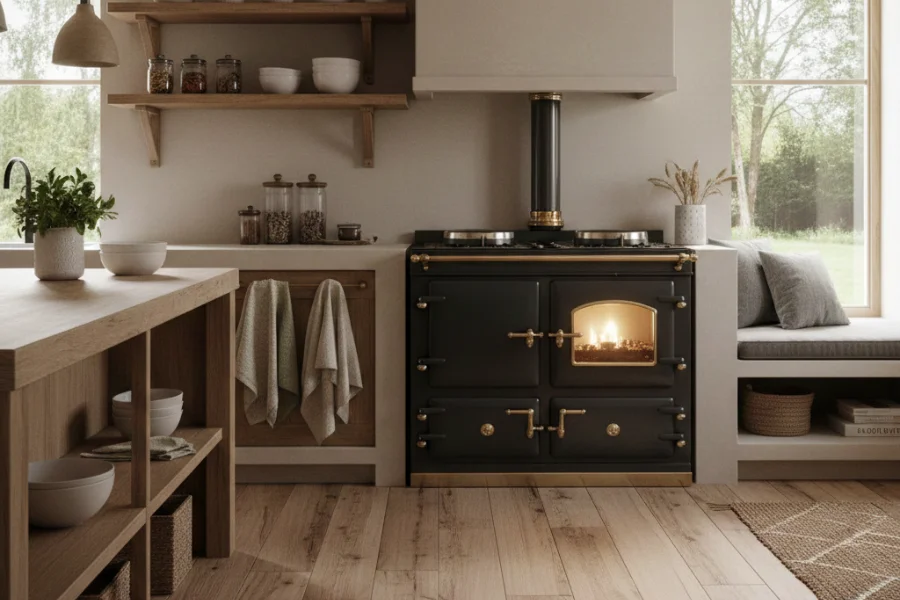
Linen towels, cotton cushions, or a small rug add subtle comfort and softness to the minimalist design.
Decorative Elements
Plants and Greenery
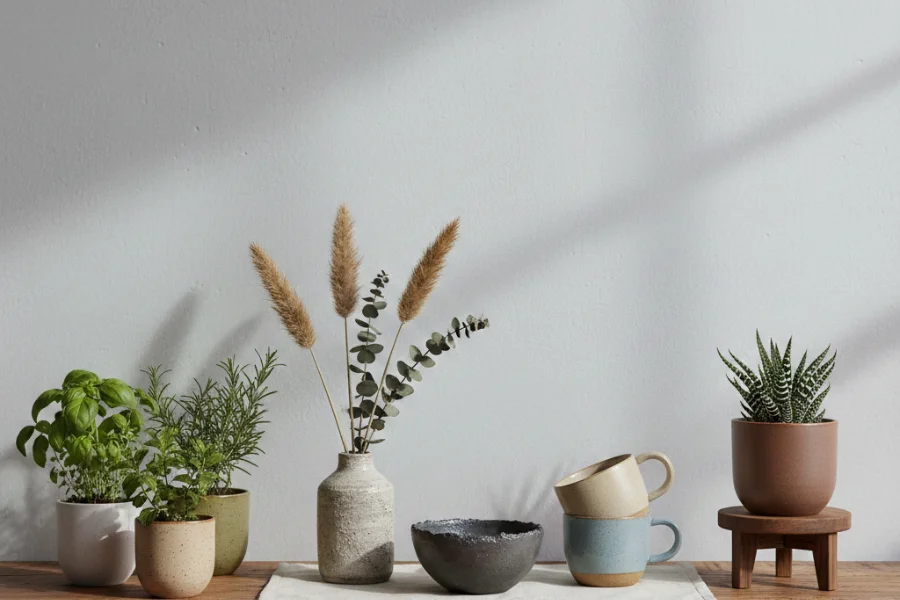
Small potted herbs or low-maintenance plants bring life and freshness to the space. They also enhance the connection to nature, a key aspect of Japandi design.
Ceramic and Handmade Pieces
Display a few handcrafted bowls, mugs, or vases. These pieces add personality without overwhelming the calm aesthetic.
Wall Treatments and Backsplashes
Neutral Walls
Keep walls light and neutral. Avoid heavy patterns that can distract from the serene atmosphere.
Simple Backsplashes
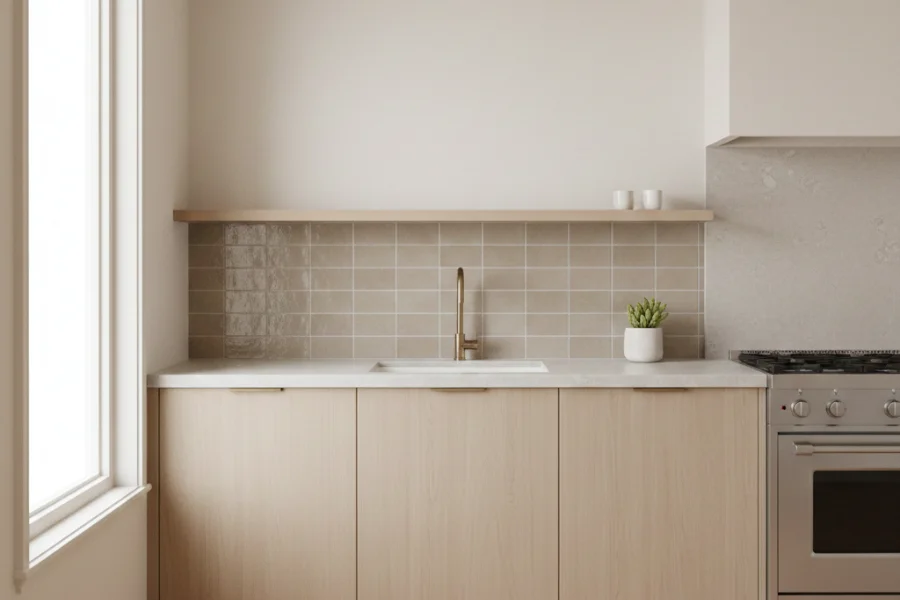
Subtle tiles in muted tones or natural stone complement the kitchen without breaking the visual flow.
Flooring Choices
Wood or Engineered Wood
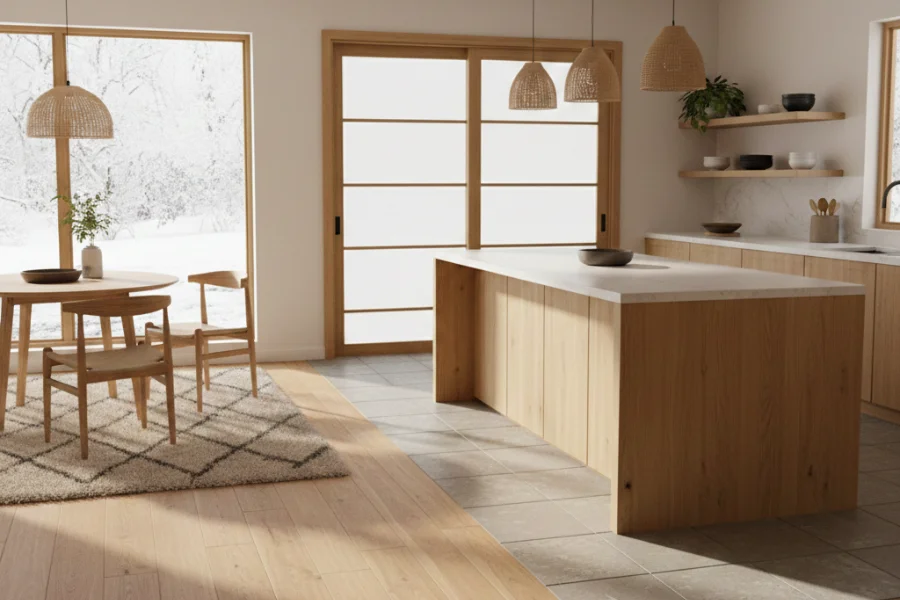
Warm, natural wood floors enhance the cozy, Scandinavian side of Japandi design.
Natural Stone or Tiles
Stone tiles in soft colors are durable and add texture while maintaining the minimalist vibe.
Organization and Functionality
Declutter Regularly
Japandi kitchens thrive on minimalism. Store items you don’t use often and keep daily essentials neatly arranged.
Functional Zones
Separate prep, cooking, and cleaning areas to maintain smooth workflow. Organization adds to both style and tranquility.
Finishing Touches
Textured Rugs and Mats
A simple rug near the sink or island adds softness and comfort underfoot.

Subtle Art or Wall Decor
If you want art, choose minimalist prints or natural-inspired designs. Keep it simple to avoid visual noise.
Conclusion
Creating a serene Japandi kitchen is about blending minimalism with warmth, natural materials with functionality, and clean lines with cozy touches. By carefully choosing colors, textures, and storage solutions, you can design a stylish and calming space where cooking and gathering become a joy. A Japandi kitchen is not just a room—it’s a peaceful retreat that balances style and serenity perfectly.
FAQs
1. Can a small kitchen work with Japandi design?
Yes. Use light colors, open shelving, and smart storage to make even small kitchens feel open and serene.
2. What colors are best for a Japandi kitchen?
Neutral tones like whites, beige, warm gray, and natural wood shades are ideal. Muted blues or greens can be used as subtle accents.
3. How do I mix Japanese and Scandinavian elements?
Combine Japanese minimalism (clean lines, low-profile furniture) with Scandinavian warmth (wood tones, soft textiles, cozy lighting) for a balanced look.
4. Can Japandi kitchens include bold decor?
Japandi design focuses on subtlety, so bold patterns or bright colors are usually avoided. Stick to calm tones and minimal decorative accents.
5. How do I maintain a serene feel in a busy kitchen?
Keep countertops clutter-free, use hidden storage, and limit decorative items. Regular organization ensures the space remains peaceful and functional.