20 Japandi Dining Room Ideas That Blend Style and Comfort
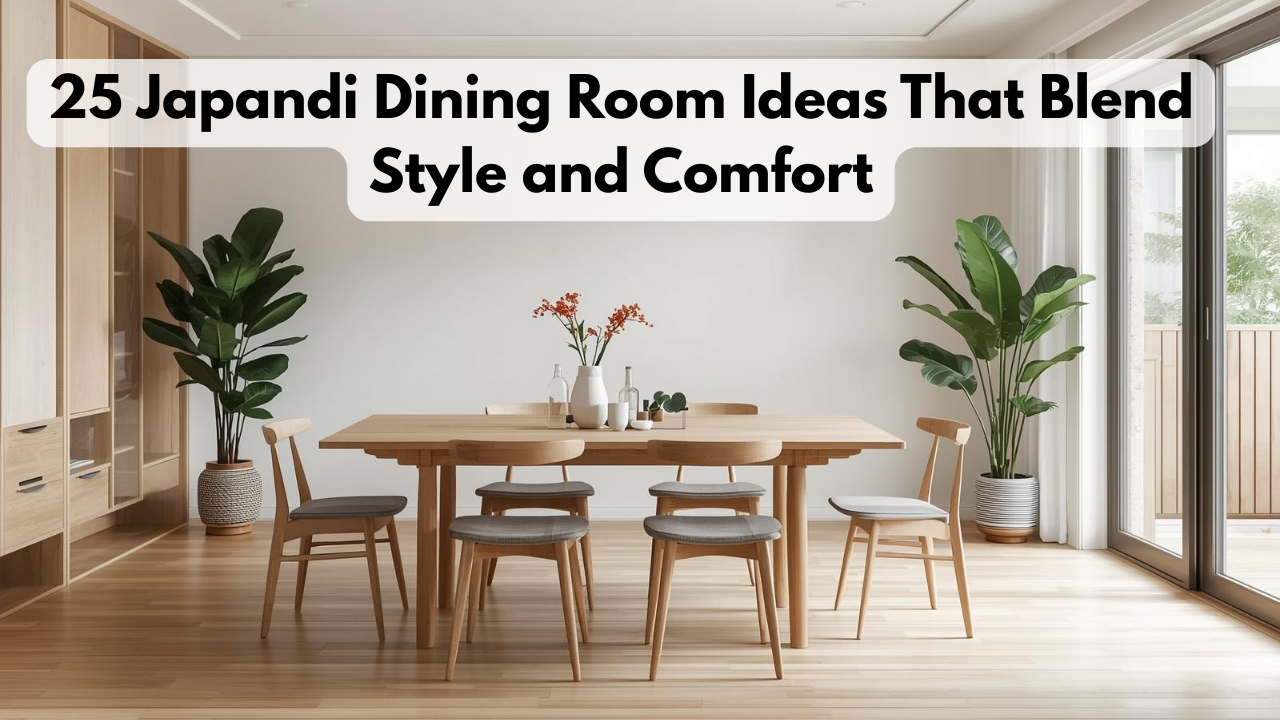
Japandi design blends Japanese simplicity with Scandinavian comfort. The result is a calm and balanced space. Clean lines, natural materials, and soft colors shape this style. Every piece has a purpose. Nothing feels crowded or heavy.
A Japandi dining room creates a peaceful place where people can sit, eat, and connect. The design feels modern, but it also feels warm and welcoming. If you want a dining area that looks stylish and feels relaxing, Japandi style is a great choice.
The following ideas will help you create a dining room that mixes comfort and beauty in a simple way.
1. Choose a Neutral Color Palette
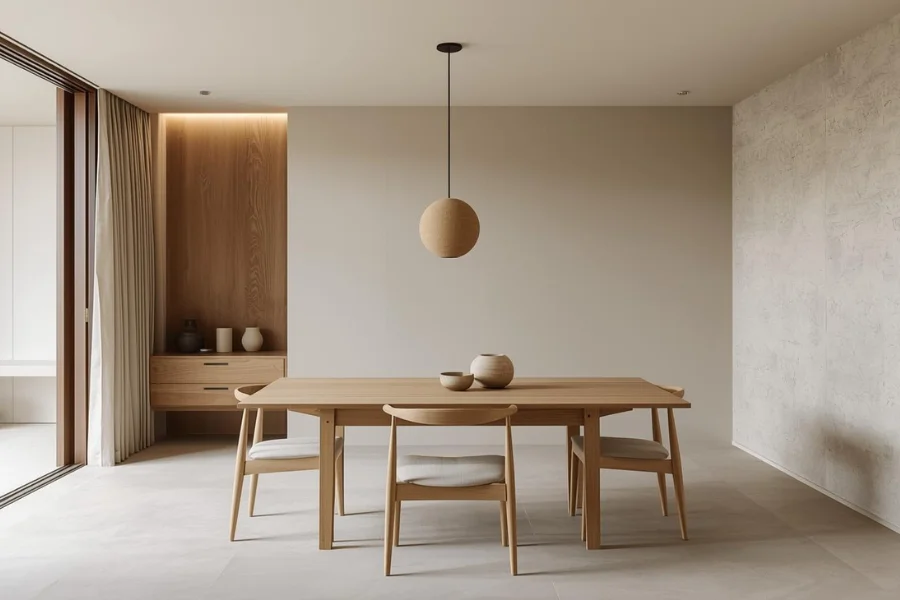
Neutral colors build the Foundation of Japandi design. Shades like beige, cream, light gray, and taupe create a calm atmosphere. These tones make the room feel open and peaceful.
Soft colors also allow natural materials like wood and stone to stand out.
2. Add Natural Wood Furniture
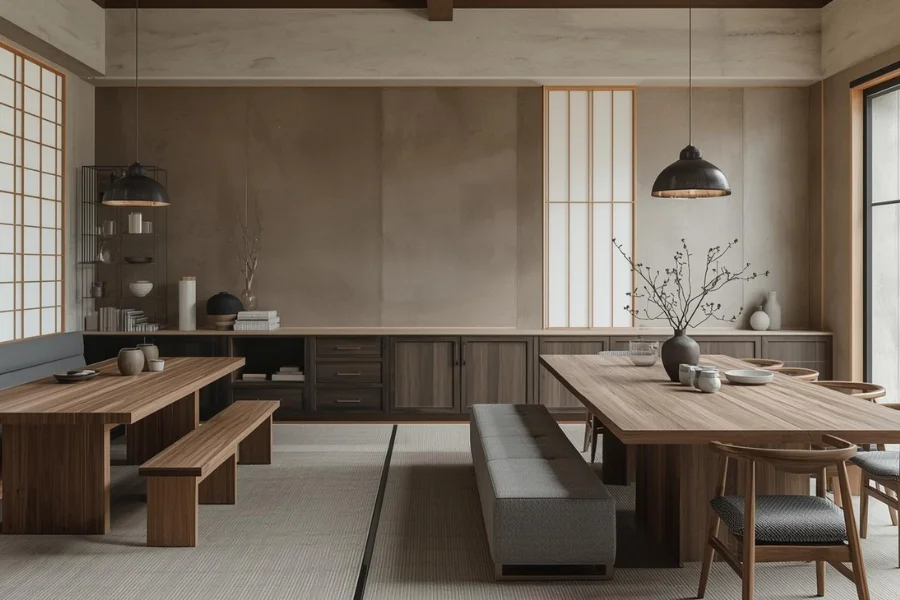
Wood is one of the most important materials in Japandi design. A wooden dining table adds warmth and character to the space.
3. Keep the Layout Minimal
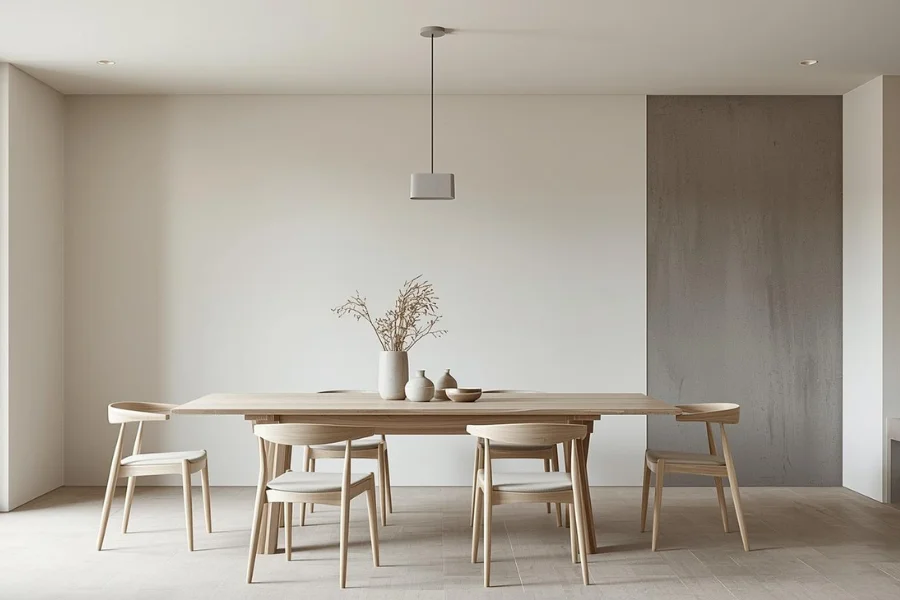
Japandi style focuses on simplicity. A dining room does not need many pieces of furniture. A table, a few chairs, and a light fixture can be enough.
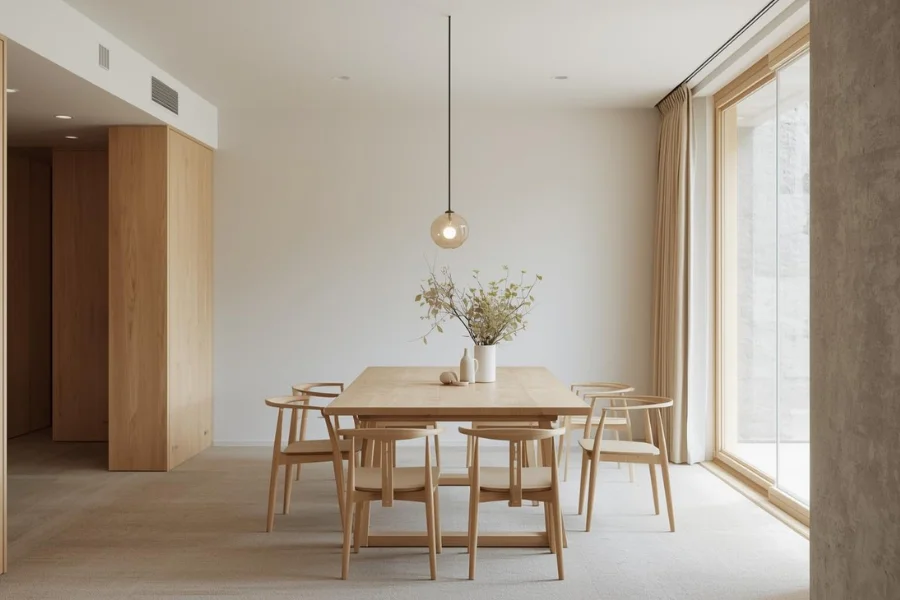
4. Mix Textures for Warmth
Even though Japandi style uses simple colors, the room should still feel warm and inviting. Texture helps create this warmth.
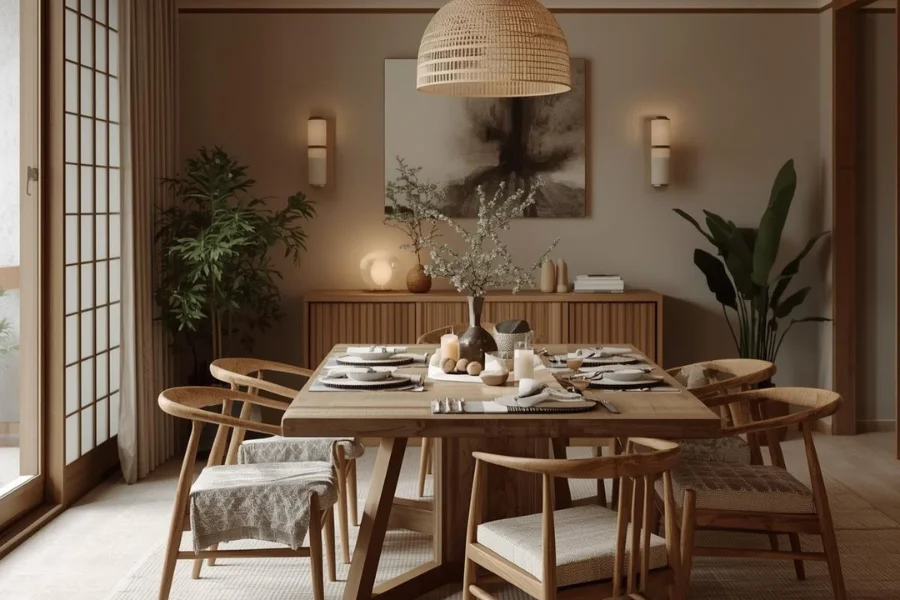
5. Use Soft Lighting
Lighting affects the mood of a dining room. Japandi design prefers soft and warm lighting.
Bright lights can feel harsh, while soft lighting makes the space calm and comfortable.
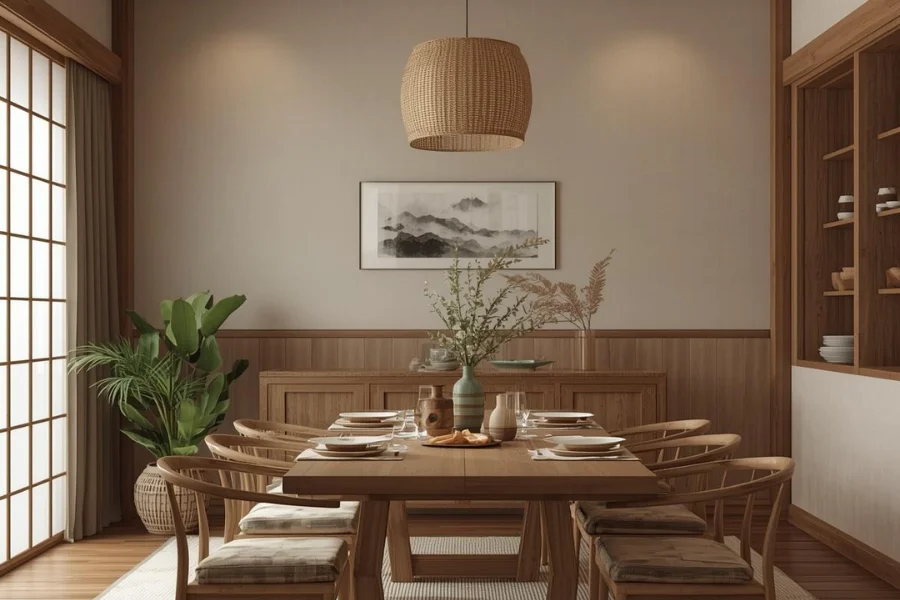
6. Add Greenery
Plants bring freshness and life into the room. Green leaves contrast beautifully with neutral colors. Even a small plant can make the space feel more natural.
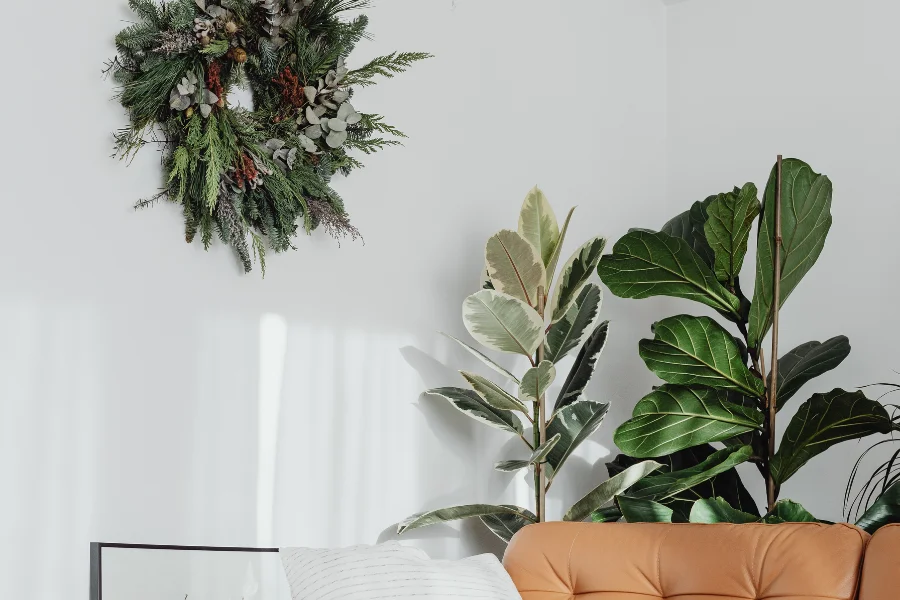
7. Choose Functional Furniture
Japandi design values function as much as style. Furniture should look simple and serve a clear purpose. Choose chairs that feel comfortable and tables that provide enough space for meals and gatherings.
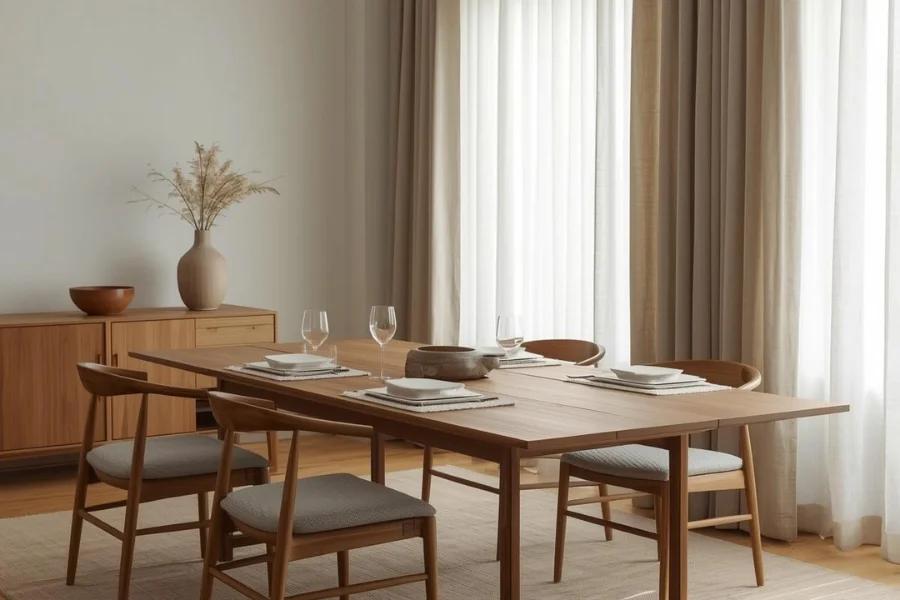
8. Include Natural Fabrics
Natural fabrics make the room feel soft and welcoming. Linen curtains, cotton napkins, and woven table runners add gentle texture. These materials also support the natural look of Japandi design.
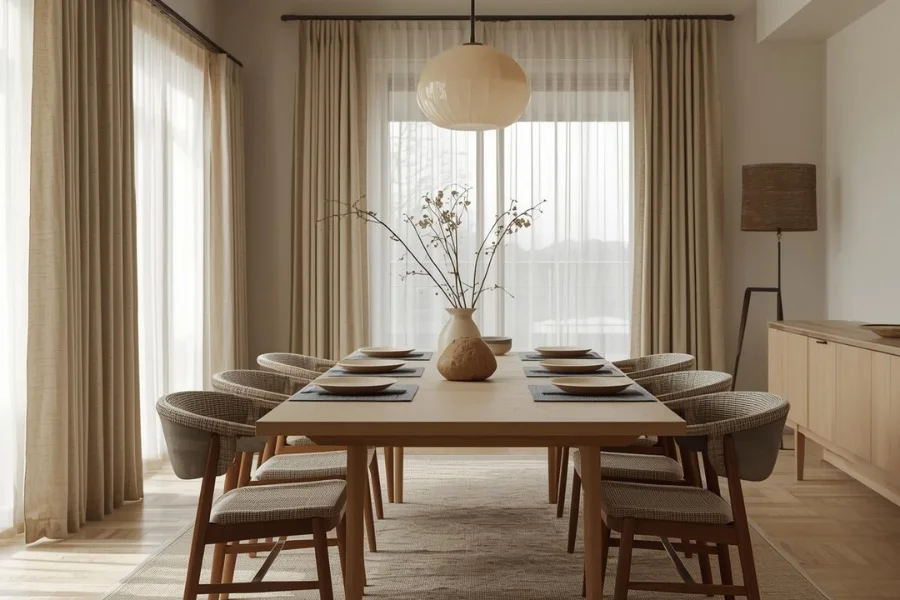
9. Keep Decor Simple
Japandi decor stays minimal. Too many decorations can break the calm feeling of the room. Instead, display a few meaningful pieces. A ceramic vase, a wooden bowl, or a simple artwork can be enough.
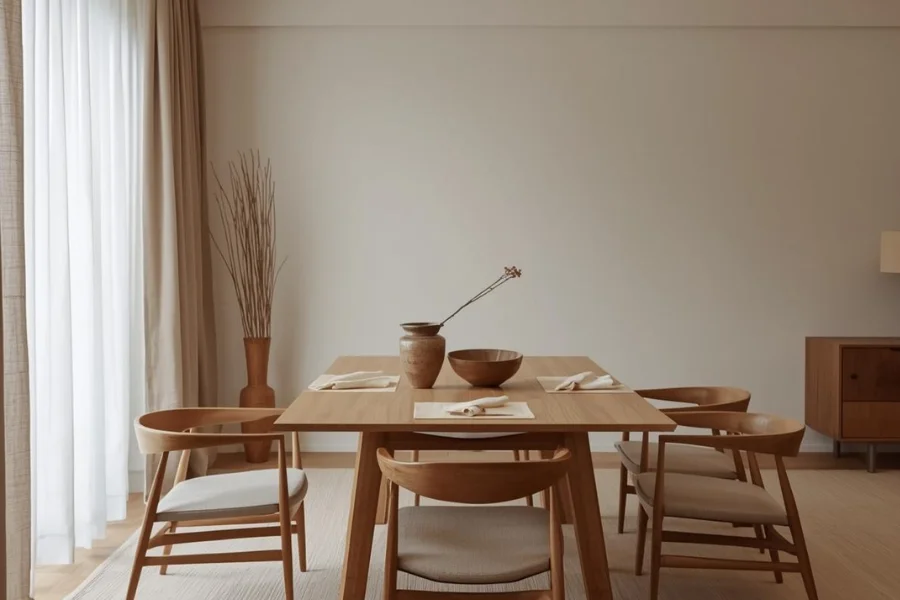
10. Focus on Balance
Balance is a key idea in Japandi design. Light colors should work with darker accents. Smooth surfaces should mix with textured materials. When the room feels balanced, it also feels peaceful.
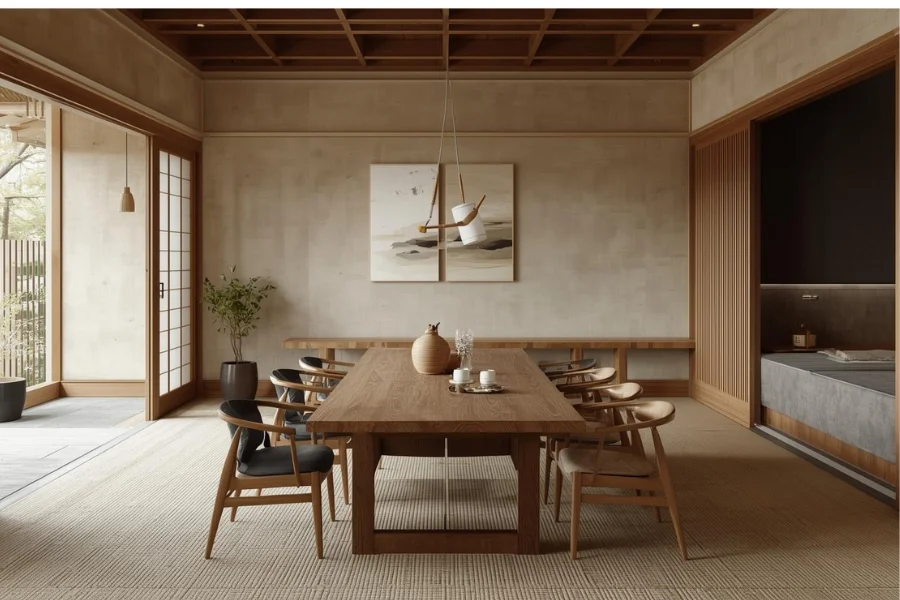
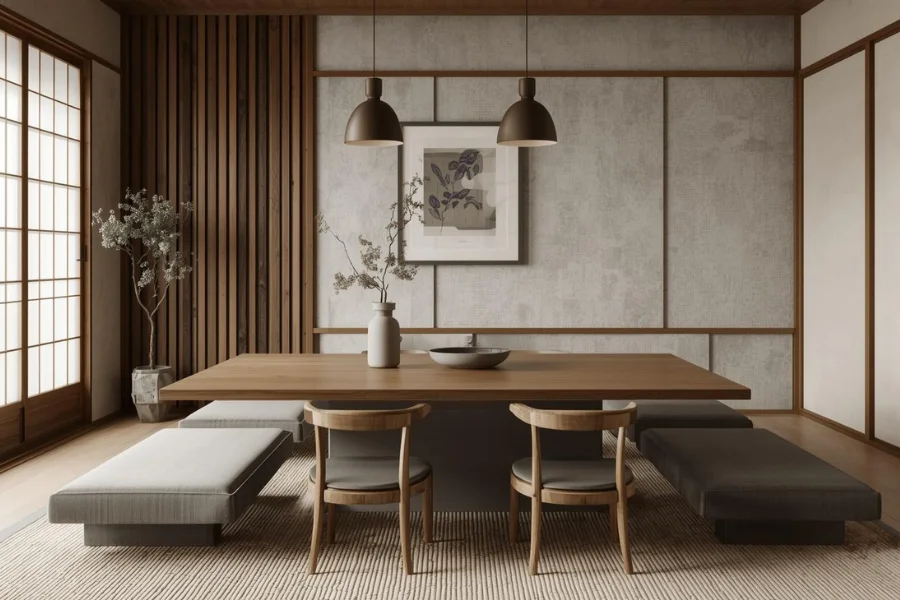
11. Add Low Seating Options
Japanese dining culture often includes low seating. Adding low chairs or benches can create a relaxed and grounded atmosphere. This idea works well in both small and large dining rooms.
12. Use Matte Finishes
Shiny surfaces can distract from the calm mood of the space. Japandi design prefers matte finishes. Matte wood, matte paint, and ceramic surfaces help keep the room soft and natural.
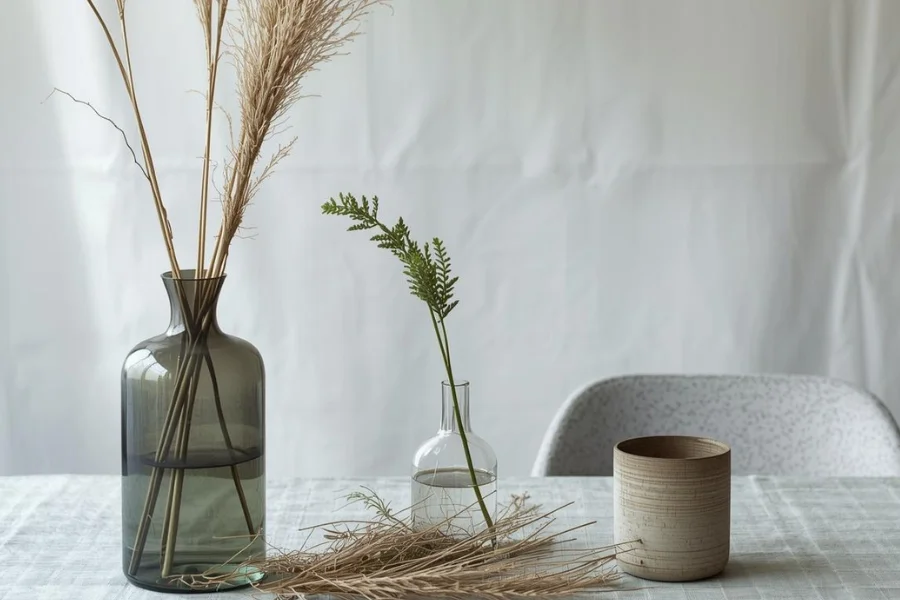
13. Create a Nature Centerpiece
A centerpiece can connect the dining table with nature. Place dried grass, branches, or a single flower in a simple vase. This small detail can make the table feel elegant and calm.
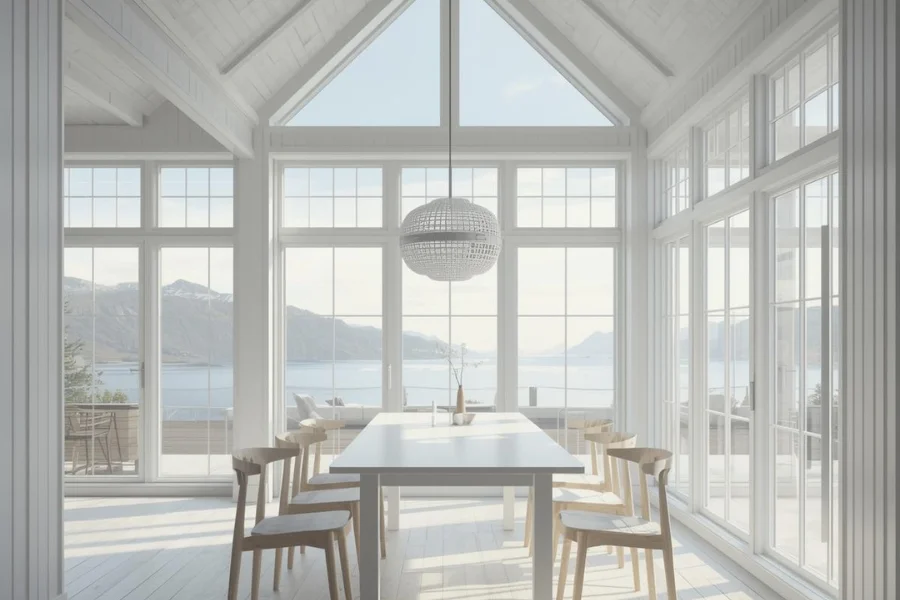
14. Blend Scandinavian Lightness
Scandinavian design brings brightness and openness to the room. White walls, large windows, and simple furniture allow natural light to move through the space easily. This balance keeps the room from feeling too dark.
15. Add Subtle Japanese Details
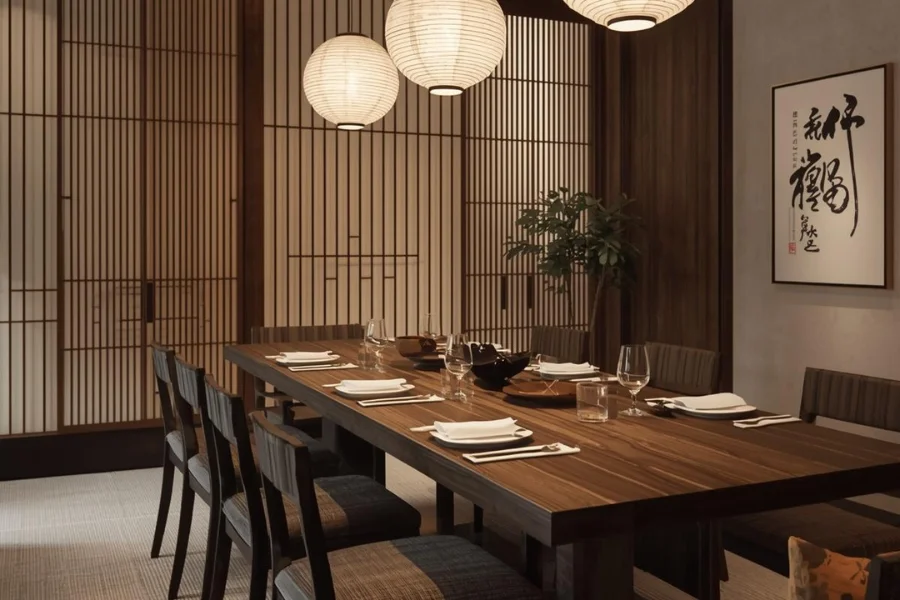
Small Japanese elements can add character to the dining room. Paper lanterns, sliding screens, or simple calligraphy artwork can introduce cultural beauty without overwhelming the space.
16. Use Soft Rounded Shapes
Rounded shapes make a room feel more welcoming. A round dining table, curved chairs, or an arched mirror can soften the look of the space. These shapes also add visual interest while keeping the design simple.
17. Layer Textural Rugs
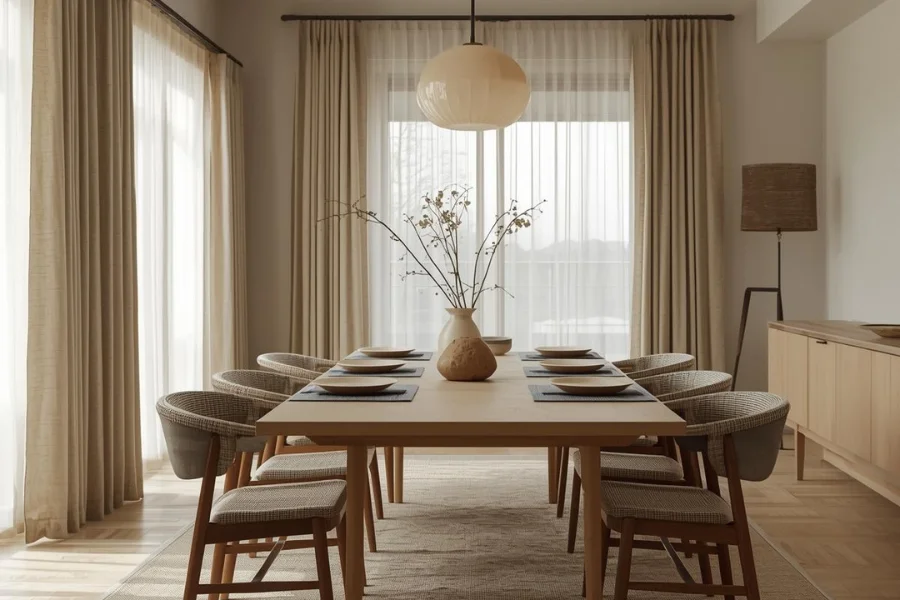
A woven rug under the dining table adds warmth and comfort. Materials like jute or wool work well. Rugs also help define the dining area, especially in open floor plans.
18. Incorporate Stone and Ceramic
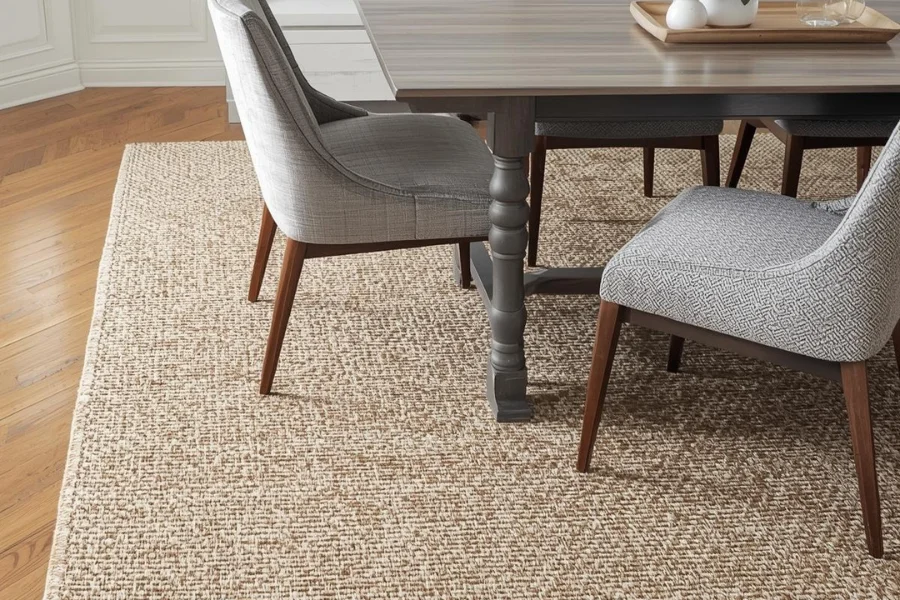
Stone and ceramic pieces bring an earthy feeling to the room. Handmade pottery, ceramic bowls, and stone serving plates fit naturally within Japandi style.
19. Let Natural Light In
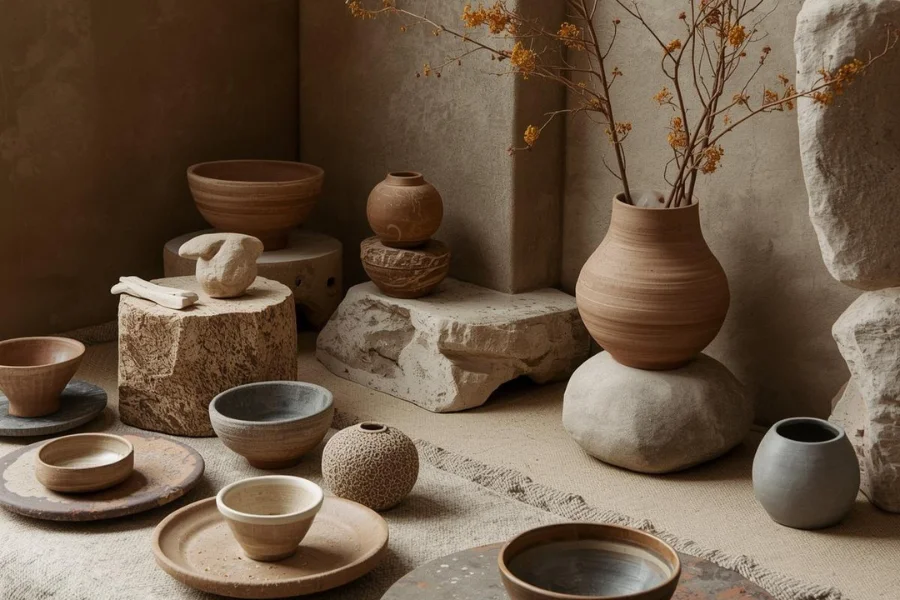
Natural light improves the atmosphere of the dining room. Large windows or sheer curtains allow sunlight to fill the space. Bright natural light also highlights wood textures and neutral colors.
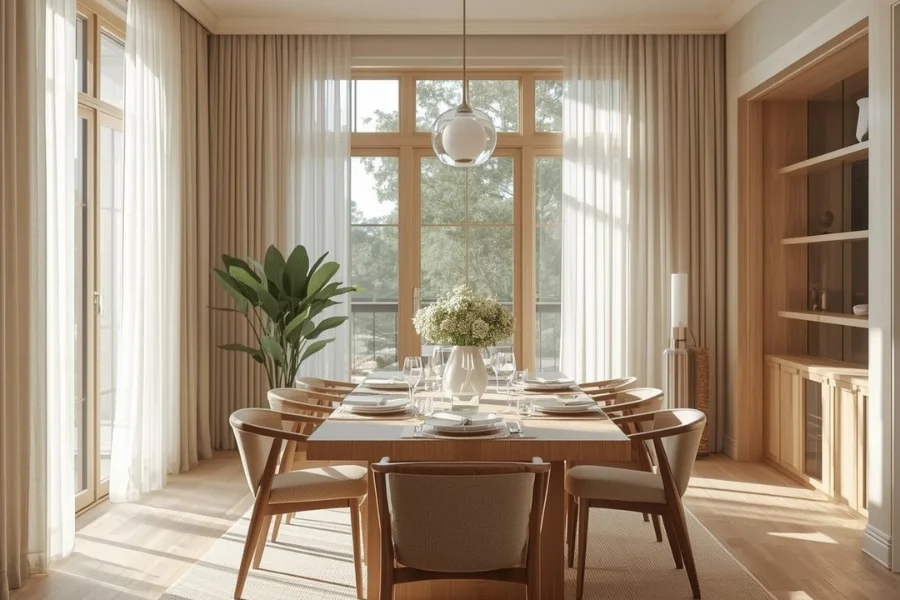
20. Keep the Dining Table Simple
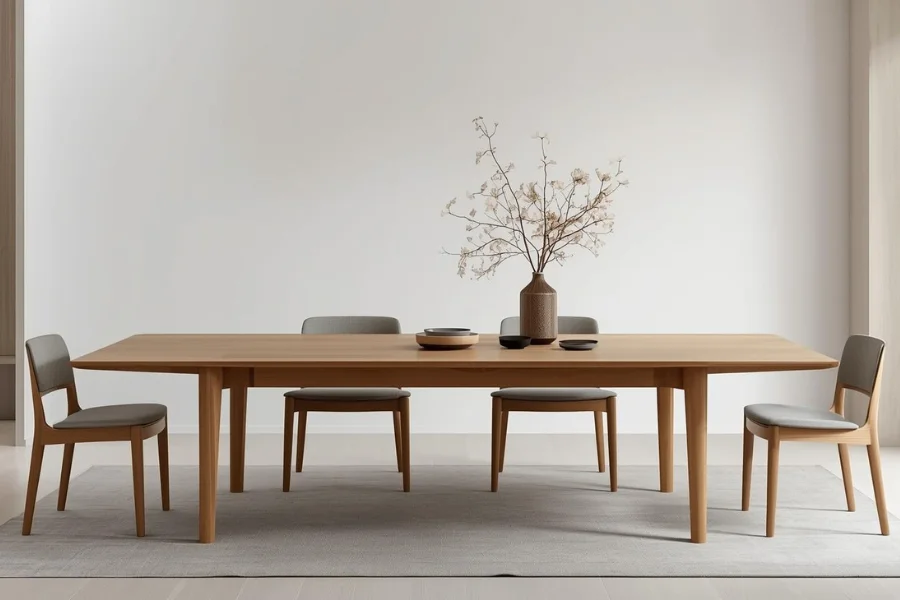
A Japandi dining table should have clean lines and minimal decoration. The focus should stay on the natural beauty of the wood and the craftsmanship of the piece.
Conclusion
A Japandi dining room combines the calm beauty of Japanese design with the warmth of Scandinavian style. Neutral colors, natural materials, and simple furniture create a balanced environment. Every piece in the room should serve a purpose and contribute to the peaceful atmosphere. When the design stays simple and natural, the space becomes both stylish and comfortable. With these Japandi dining room ideas, you can create a dining area that feels calm, welcoming, and timeless.
FAQs
1. What is Japandi dining room style?
Japandi design combines Japanese minimalism with Scandinavian comfort to create spaces that feel simple, warm, and functional.
2. What colors work best in Japandi dining rooms?
Neutral colors such as beige, cream, gray, and soft brown work best. Small black accents add balance.
3. What materials define Japandi interiors?
Natural materials like wood, linen, cotton, stone, and ceramics are common in Japandi design.
4. How can I create a Japandi look in a small dining room?
Use light colors, simple furniture, and plenty of natural light to make the space feel open and calm.
5. Is Japandi design expensive?
No. Japandi style focuses on quality over quantity. A few simple and well-made pieces can create the look without high cost.